One morning, an architect friend walked into our home. He paused, looked around, and said, “This is the first time I’ve seen a house that looks complete without interiors.” His words stayed with us — not because they flattered, but because they revealed something essential: when architecture is done with clarity and intention, it holds its own. No need for dressing up. No need for decoration to compensate.
At UNSEEN Architects, we often ask ourselves — what is the true role of architecture in our lives? Before it became a tool for expression or identity, it was simply a way to shelter, to protect, to belong. Over time, as societies evolved, we began to shape our spaces with meaning — through color, material, form. Communities once built with a shared understanding of place, climate, and craft. The results were settlements that felt coherent, rooted — not identical, but familiar in a meaningful way.
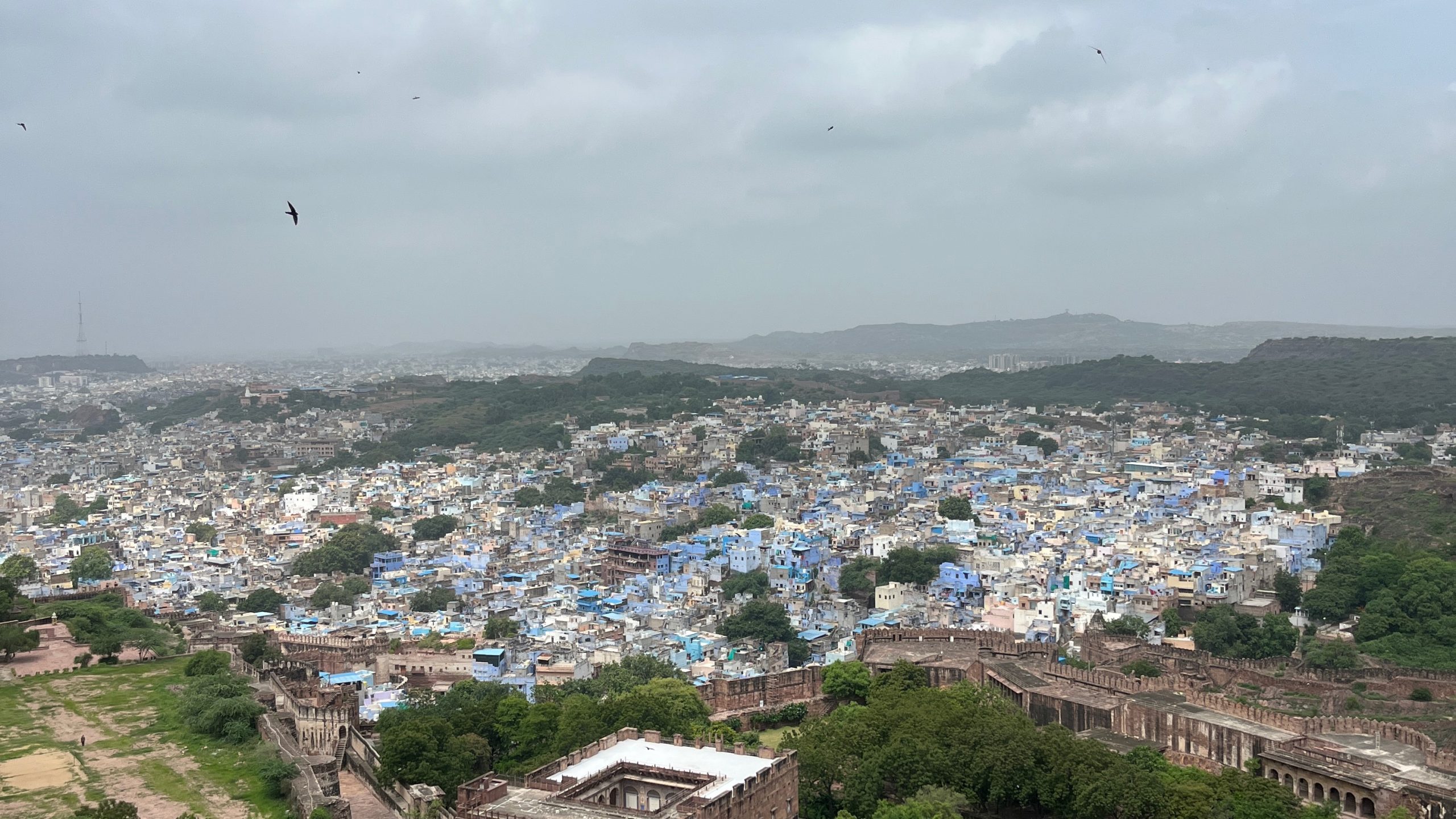
Today, that sense of cohesion is slipping. The desire to stand out often overtakes the desire to belong. Cities are becoming collections of individual statements — each building striving to be a masterpiece, yet collectively creating a sense of fragmentation. Somewhere along the way, we’ve confused visibility with value.
We are not trying to fight this shift with noise. Instead, we work quietly — designing spaces that feel effortless, inevitable. We believe architecture should emerge from its context, not be imposed on it. Our design process begins by listening — to the climate, the materials at hand, the local techniques, the client’s habits, the terrain’s slope, the light at 4 PM. Every project is a negotiation between the universal and the personal.
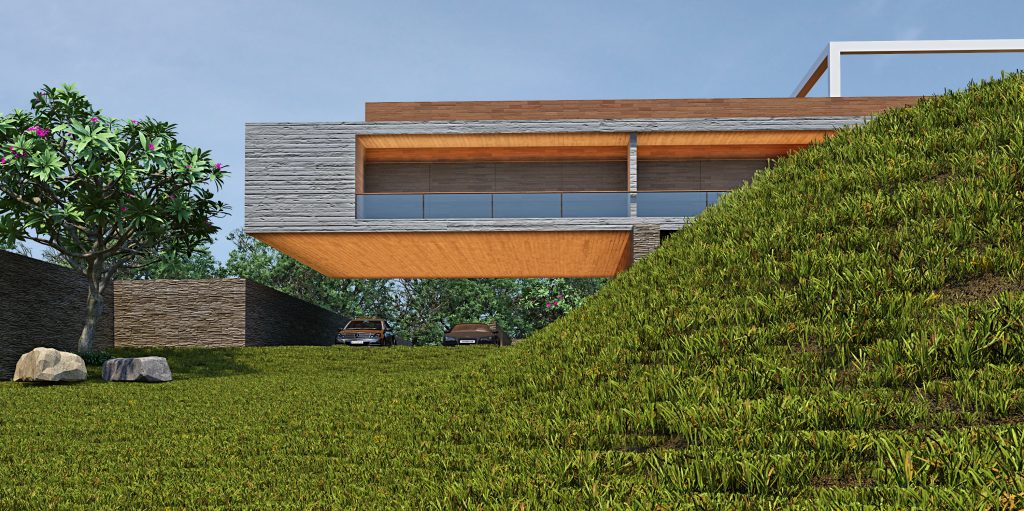
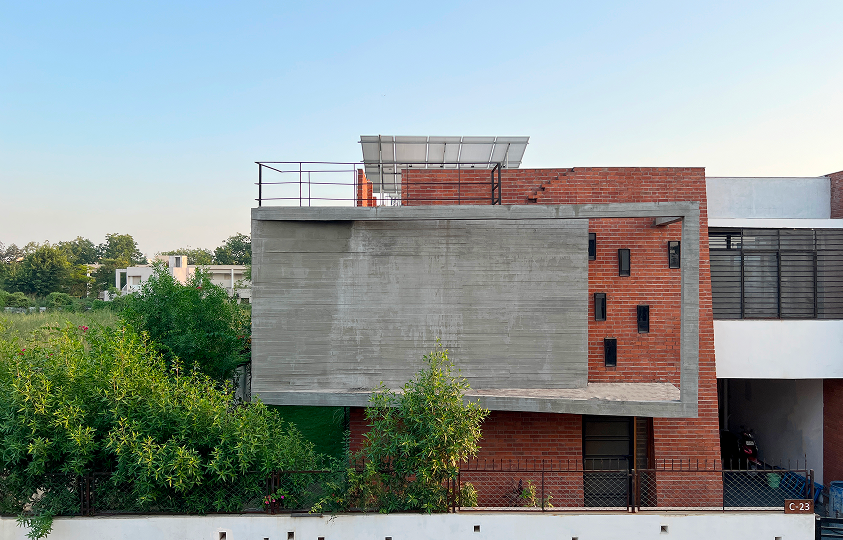
Take, for instance, the House with multiple courts — nestled low into the land, echoing the contours of the site rather than challenging them. Or the Brick & concrete house, where material wasn’t a surface choice but a structural and climatic response. These homes don’t shout for attention — but they carry the warmth, resilience, and individuality that emerge when design grows from place.
We do not aim to make buildings that are different for the sake of being different. We aim to make buildings that are right — for their time, their place, and the people who live in them.
In a world speeding ahead, perhaps the most radical thing architecture can do is to slow down — to remember what it was always meant to be.
A Quiet Return to What Matters
Vimal Patel
Keywords
Contextual architecture, Human-centered design, Climate-responsive architecture, Site-specific architecture, Minimalist residential architecture, Place-based design, Modern Indian architecture, Effortless architecture, Quiet architecture, Meaningful spaces, Architecture with purpose
Share


A Quiet Return to What Matters
Vimal Patel